
Description
TER Electronic Sirens – Industrial Audible Warning Devices
TER Electronic Sirens provide clear and reliable audible signalling for industrial machinery, automation systems, cranes, material handling equipment and other applications where personnel need to be alerted to an emergency, warning or potentially critical operating condition. Designed as part of TER’s industrial signalling range, these electronic sirens provide a versatile solution for machine builders, system integrators, maintenance organisations and industrial end users requiring effective audible indication.
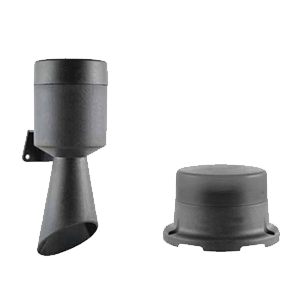
The TER Electronic Sirens range is not limited to a single horn or alarm device. It includes compact 22 mm hole-mounted mini electronic sirens, mini electronic sirens, surface-mounted horns, wall-mounted horns, short wall-mounted horns, M30 buzzers and M30 LED buzzers. Different configurations provide varying numbers of available melodies, mounting arrangements, voltage options and acoustic outputs, allowing the signalling system to be matched more closely to the application.
Across the wider range, TER specifies sound levels from approximately 92 dB through to 130 dB, with configurations offering up to 16 melodies. Available voltage options include 12–24 V AC/DC, 40–250 V AC/DC, 24 V DC, 12 V DC and 220 V AC depending on the selected model. The product family is designed for surface or wall mounting and incorporates robust ABS housing construction.
TER Electronic Sirens are designed for operation in industrial environments, with IP65 protection, an operational ambient temperature range from -20°C to +50°C and resistance to water, dust, heat and UV exposure. This combination makes them suitable for a broad range of machinery and industrial signalling applications where dependable audible warning is required.
Industrial Audible Warning for Critical Conditions
Audible signalling plays an important role in industrial machinery because operators and personnel are not always facing the machine or control panel when a warning condition occurs. A visual indicator can communicate valuable information, but an electronic siren can attract attention even when the warning device is outside the person’s direct line of sight.
TER describes its Electronic Sirens as suitable for providing sound signals in emergency or warning situations involving potentially imminent critical conditions. This makes the range suitable for applications where equipment needs to communicate a defined state quickly and clearly.
An audible warning can be used during machinery movement, equipment start-up, process alarms, system faults, access control events or other operating conditions defined by the machine designer.
The exact meaning of the audible signal should always be established as part of the equipment’s overall alarm and warning strategy.
Sound Levels from 92 dB to 130 dB
TER Electronic Sirens provide acoustic outputs ranging from approximately 92 dB to 130 dB across the available configurations. This broad range allows designers to select an audible device appropriate to both compact machinery and larger industrial areas.
A siren installed inside a small control area may require a substantially different sound level from one used around a crane bay, conveyor system or large production facility. Background machinery noise, warning distance and physical obstructions all influence the acoustic performance required from the device.
The highest available sound output should not automatically be selected for every application. Excessive acoustic intensity can be unnecessary and may increase occupational noise exposure for personnel operating close to the warning device.
An effective system uses sufficient sound to provide a clear warning under normal operating conditions while considering personnel location and the overall working environment.
Up to 16 Selectable Melodies
Applicable TER Electronic Sirens provide up to 16 available melodies, giving machine designers greater flexibility when defining audible warning functions.
Multiple sound patterns can help differentiate different machine states, particularly where several alarms or pieces of equipment operate in the same industrial environment. A particular tone may be assigned to equipment movement, while another may indicate a process warning or machinery fault.
The availability of multiple melodies does not mean that every sound needs to be used within one application. A small number of clearly differentiated signals is often easier for personnel to recognise and understand.
The selected sound strategy should therefore balance flexibility with simplicity, ensuring that important alarms remain immediately recognisable.
16 Melody Wall Mounted Horns
TER provides wall-mounted electronic horn configurations with 16 melodies for applications requiring a broad selection of acoustic signals from one warning device.
This type of siren can be particularly useful on automated machinery, industrial processes and installations where the equipment needs to communicate several defined warning conditions.
The wall-mounted arrangement allows the electronic siren to be positioned on machinery structures, industrial walls, control enclosures or other suitable surfaces where the sound can propagate effectively through the intended area.
Volume and melody selection should be configured according to the exact model and application requirements during installation and commissioning.
Two Melody Wall Mounted Horns
For applications that do not require a large library of warning tones, TER also provides wall-mounted horn configurations with two melodies.
A two-sound arrangement can provide a straightforward way of distinguishing between two important equipment conditions without creating unnecessary complexity.
For example, different acoustic signals may be assigned to two separate machine operating states where the selected control system and siren configuration support this arrangement.
This simpler approach can make audible warnings easier for operators to learn and recognise across repetitive industrial processes.
Seven Melodies for Seven Inputs
TER also provides wall-mounted electronic sirens offering seven different melodies associated with seven ignition inputs. This arrangement allows several distinct signals to be controlled through separate input functions.
The ability to associate individual inputs with different audible outputs can be useful in industrial automation systems where the control system needs to communicate several defined warning conditions through one siren assembly.
Each signal can be assigned a clear operational meaning during machine design and programming.
Where multiple sounds are implemented, documentation and operator training should clearly explain what each alarm represents and the required response.
Wall Mounted Short Horns
TER’s Electronic Sirens family also includes short wall-mounted horn configurations. These products provide many of the signalling functions associated with the standard wall-mounted range while offering an alternative physical form.
Short horn configurations are available in 16-melody, two-melody and seven-melody-for-seven-input versions, allowing designers to choose between different audible architectures while considering installation space.
A compact form can be valuable around machinery where mounting depth is restricted or where the siren needs to integrate neatly into an existing enclosure or equipment structure.
Exact dimensions and electrical specifications should be confirmed for the selected part number during mechanical and electrical design.
Mini Electronic Sirens
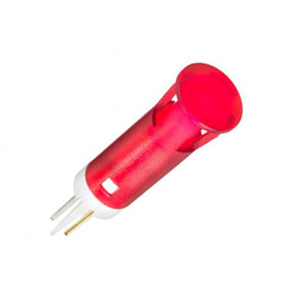
TER Mini Electronic Sirens provide a more compact audible warning solution for industrial applications where available installation space is limited.
Compact sirens can be particularly useful in control panels, machine enclosures, small equipment and distributed warning systems where a full-size industrial horn is unnecessary.
The smaller physical format does not eliminate the need to evaluate sound coverage. The warning still needs to be clearly audible from the positions where personnel require notification.
Machine designers should therefore consider both the physical size of the siren and its acoustic performance when selecting a compact configuration.
22 mm Hole Mounted Mini Electronic Sirens
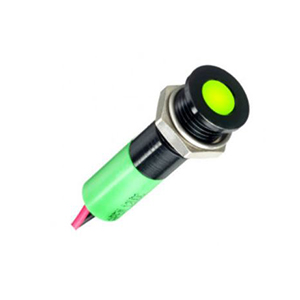
TER includes 22 mm hole-mounted mini electronic sirens within the Electronic Sirens family. The 22 mm mounting format provides a convenient option for integrating an audible warning device directly into suitable machinery panels and control enclosures.
This can be particularly valuable where a panel already uses standardised operator-interface components and space needs to be used efficiently.
A hole-mounted siren allows the audible signalling device to become part of the control-panel layout rather than requiring a separate external wall or surface mounting position.
The selected installation should still provide sufficient acoustic access so that the surrounding panel construction does not unnecessarily reduce warning performance.
Surface Mounted Horns
Surface-mounted TER Electronic Sirens provide a flexible arrangement for attaching the warning device directly to machinery, control enclosures or structural surfaces.
Surface mounting can simplify integration where the equipment does not provide a dedicated wall bracket or panel aperture for the siren.
The mounting location should be selected to provide effective sound distribution while protecting the device from foreseeable mechanical impact.
Maintenance access, cable routing and environmental exposure should also be considered when determining the final position.
M30 Industrial Buzzers
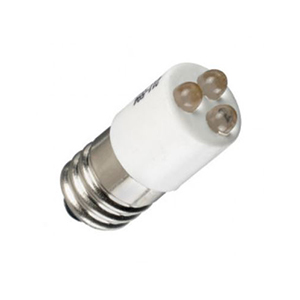
The TER Electronic Sirens range also includes M30 Buzzers, providing a compact audible signalling option for machine and panel applications.
Buzzers can be useful where a local audible indication is required rather than the higher acoustic output associated with larger industrial horn assemblies.
The M30 mounting format can support compact machinery and control-panel designs where available space is limited.
The appropriate buzzer should be selected according to required supply voltage, acoustic output, panel arrangement and environmental conditions.
M30 LED Buzzers
TER M30 LED Buzzers combine audible signalling with an integrated visual LED indication, providing two methods of notification within a compact device.
This combination can be valuable where an operator needs both an audible alert and a visible indication identifying the active signalling point.
A combined LED buzzer can help reduce the number of separate components required in a panel or machine interface while maintaining both visual and acoustic feedback.
The visual and audible functions should be incorporated into the broader machine signalling strategy so that their meaning remains consistent with other indicators and alarms.
Adjustable Volume for Application-Specific Warning
TER Electronic Sirens are available with potentiometer-based volume adjustment on applicable configurations. Adjustable acoustic output allows the device to be tuned more closely to the machinery and working environment.
Volume adjustment is particularly useful when the same siren family is installed across different applications. A quiet laboratory-style machine does not require the same output as equipment installed in a large industrial workshop.
Adjustment should ideally be completed during commissioning while representative background machinery is operating.
This allows the installer to establish an audible level that remains recognisable without producing unnecessary sound intensity.
Pushbutton Sound Selection
Applicable TER Electronic Sirens include a pushbutton arrangement for selecting between available sound modes.
This provides a practical method of configuring the siren according to the required warning tone during installation or setup.
Where several sounds are available, the final selected configuration should be documented so that replacement, troubleshooting and future maintenance can be completed consistently.
The exact sound-selection procedure should follow the instructions applicable to the selected TER model.
ABS Housing for Industrial Installations
TER specifies ABS housing construction across the Electronic Sirens family. The housing protects the internal electronic and acoustic components while providing a practical industrial enclosure for machine and facility installation.
The complete siren should be mounted where it is protected from foreseeable mechanical damage while remaining effective acoustically.
Housing condition should form part of routine maintenance, particularly where the device is installed in exposed industrial areas.
Cracks, damaged cable entries or loose mounting hardware should be addressed promptly to maintain the integrity of the installation.
IP65 Protection
TER specifies an IP65 protection rating for the Electronic Sirens range. This provides strong enclosure protection against dust and water ingress under the conditions represented by the IP classification.
IP65 can be advantageous where the siren is installed directly on industrial machinery or outside a protected electrical cabinet.
The rating does not mean the product is universally suitable for all washdown, chemical, marine or hazardous environments. These conditions should be evaluated separately.
Correct installation and cable entry arrangements are also important to achieving the intended protection of the completed system.
Operating Temperature from -20°C to +50°C
TER Electronic Sirens are specified for an operational ambient temperature range from -20°C to +50°C.
This supports installation across a broad range of industrial machinery and facility environments where temperatures can vary during operation.
Actual installation conditions should consider local heat sources, direct solar exposure, enclosure temperatures and process conditions rather than relying only on general room temperature.
If the installation is expected to operate outside the specified range, an alternative product or mounting arrangement should be considered.
Multiple Voltage Options for Industrial Systems
TER Electronic Sirens are available across a range of electrical supply options, allowing the product family to integrate with different machine-control architectures and industrial power systems.
Published voltage options across the range include 12–24 V AC/DC, 40–250 V AC/DC, 24 V DC, 12 V DC and 220 V AC. The availability of several supply configurations gives OEMs and maintenance teams greater flexibility when selecting a siren for new equipment or replacement applications.
The exact voltage must always be confirmed against the selected part number. Individual products within the Electronic Sirens family should not be assumed to support every voltage listed for the overall range.
Electrical load, switching method and circuit protection should also be checked before integration into the machine.
12–24 V AC/DC Electronic Sirens
12–24 V AC/DC configurations provide flexibility for equipment using low-voltage auxiliary or control supplies.
This type of broad low-voltage input can simplify integration where machines use different control architectures or where an OEM wants to standardise components across several equipment platforms.
The ability to accommodate AC or DC supply within an applicable model can also simplify replacement planning in some industrial installations.
The specific input characteristics of the chosen siren should nevertheless be confirmed before connection.
24 V DC Industrial Warning Systems
Twenty-four-volt DC electrical systems are widely used across modern industrial automation, control panels, PLC systems and mobile machinery.
TER 24 V DC electronic siren configurations can therefore provide a practical fit for machinery where the warning system operates from the same auxiliary voltage used by sensors, relays and other control equipment.
Using a compatible supply can simplify panel design and reduce the need for separate power-conversion equipment.
Current consumption and output switching capacity should still be checked before connecting the siren directly to a controller output.
40–250 V AC/DC Configurations
TER also offers applicable Electronic Siren configurations with a broad 40–250 V AC/DC input range.
A wide voltage range can provide useful flexibility for industrial installations where available supply voltages vary between machines or facilities.
This may be particularly valuable for maintenance and retrofit projects where the existing electrical architecture differs from current OEM designs.
The selected device must still be matched to the actual installation voltage and wiring requirements.
PLC Integration for Automated Machinery
TER Electronic Sirens can be integrated into PLC-controlled machinery so that audible warnings respond automatically to programmed machine states and alarm conditions.
The PLC may trigger the siren when an equipment fault occurs, before machinery movement, during process interruption or when another defined condition requires personnel attention.
Where a seven-input siren configuration is used, separate control outputs can potentially activate different acoustic signals according to the selected design.
The electrical interface between the PLC and siren should always be engineered to suit the current, voltage and switching requirements of the selected device.
Using Relays and Interface Modules
A PLC output should not automatically be assumed capable of directly operating an industrial siren.
Depending on the selected model and controller, an interposing relay or suitable electronic interface may be required between the PLC and audible warning device.
This approach can protect the control electronics while providing the required switching capacity and electrical separation.
The interface should be documented clearly in machine schematics to simplify commissioning and future troubleshooting.
Electronic Sirens for Overhead Travelling Cranes
TER identifies overhead travelling cranes and gantry cranes among the applications for its Electronic Sirens.
Audible warning can be particularly valuable in crane applications because operators, personnel and other workers may be positioned throughout the crane bay and may not always have direct line of sight to the moving equipment.
A siren can provide a recognisable warning before or during a defined crane movement, depending on the control philosophy of the equipment.
Sound level, mounting position and warning coverage should be assessed across the complete crane working area.
Gantry Crane Audible Warning
Gantry cranes may operate across large workshops, yards, manufacturing facilities and loading areas where ambient noise can vary substantially.
TER Electronic Sirens provide several acoustic outputs, allowing the warning system to be selected according to the required coverage.
Where a crane travels over a substantial distance, the siren should be evaluated throughout the travel area rather than from one fixed commissioning position.
Large or complex installations may benefit from more than one signalling device where structures or machinery significantly affect sound propagation.
Jib Crane Warning Sirens
Jib cranes typically operate across a more localised area, but an audible warning can still be useful where the crane rotates or moves loads through shared working zones.
A compact TER Electronic Siren can provide a defined acoustic warning without requiring the size or complexity of a larger signalling assembly.
The selected output should remain appropriate to the operating area and proximity of nearby personnel.
Mounting should also ensure that crane movement does not obstruct or damage the siren.
Tower and Harbour Crane Applications
TER also identifies tower cranes and harbour cranes among the application areas for its Electronic Sirens.
Large crane installations can involve substantial warning distances and challenging environmental conditions, making both acoustic output and product positioning important.
The 92–130 dB range available across TER Electronic Sirens provides options for different acoustic requirements.
For exposed or specialised installations, the complete environmental and regulatory requirements should be checked against the exact siren configuration.
Industrial Automation and Assembly Lines
Automation and assembly lines are another major application for TER Electronic Sirens. Automated machinery may operate through sequences in which equipment movement or process conditions change without direct manual intervention.
An audible warning can notify nearby personnel of machine start-up, a process alarm, fault condition or other state requiring attention.
Multiple melody configurations can help distinguish between different alarm categories where the control philosophy supports several defined signals.
Consistent alarm sounds across production equipment can improve recognition and reduce confusion for operators working across several machines.
Machine Tool Warning Applications
Machine tools can use electronic sirens to alert personnel when an operating cycle completes, an alarm occurs, intervention is required or another defined event takes place.
Compact mini sirens and panel-mounted buzzers can be particularly useful where the warning needs to integrate closely with the machine enclosure or control panel.
Higher-output wall or surface-mounted horns can be selected where greater acoustic coverage is required.
The warning system should be coordinated with existing machine displays, indicator lights and operator-interface messages.
Plastic Injection Machinery
TER lists plastic injection machines among the applications for its Electronic Sirens.
These machines can operate automatic sequences and may require audible notification when a process cycle changes, an alarm occurs or operator intervention is needed.
Electronic sirens provide a way to attract attention even when personnel are not directly observing the machine display.
The selected warning should be integrated with the machine controls and documented as part of the operating procedure.
Printing and Strapping Machines
Printing and strapping machinery are also included within TER’s published Electronic Siren application range.
Production equipment often operates in environments containing several machines and significant background noise. A clearly distinguishable audible signal can help identify when one machine requires attention.
Where multiple pieces of equipment are installed close together, differing melodies or carefully designed alarm zones may improve identification.
Alarm complexity should still be kept manageable so personnel can recognise critical events quickly.
Conveyor Belt Warning Systems
Conveyor belts can extend over substantial distances through factories, warehouses and material handling facilities.
Electronic sirens may be used to provide audible warning before conveyor movement or during defined alarm conditions, according to the requirements of the installation.
Long conveyor systems may require several warning devices because one centrally mounted siren may not provide consistent coverage along the entire system.
Commissioning should therefore include testing from all areas in which personnel need to hear the warning.
Forklifts, Pallet Trucks and AGVs
TER identifies electric pallet trucks, forklifts and Automated Guided Vehicles among the potential applications for Electronic Sirens.
Mobile equipment often operates alongside pedestrians and other machinery, making recognisable warning signals valuable when incorporated into the wider equipment safety strategy.
Compact sirens can provide audible feedback associated with equipment movement or defined vehicle conditions.
Mounting security, vibration and electrical supply should be considered carefully on mobile machinery.
Aerial Platforms and Lifts
Aerial platforms and lifting equipment may require audible signals associated with equipment movement, faults or operating conditions.
TER Electronic Sirens provide compact and higher-output configurations that can be selected according to the equipment and working environment.
The warning device should be mounted where it remains protected throughout the machine’s complete range of movement.
Sound coverage should also be checked at different platform positions where the distance between the siren and surrounding personnel changes.
Automatic Doors, Gates and Barriers
TER identifies industrial high-speed doors, gates, barriers, automatic doors and automatic roller shutters among the applications for its Electronic Sirens.
An audible device can provide notification before or during movement where required by the system design.
Compact mini sirens or M30 buzzers may be particularly suitable where the signalling function is integrated into a control enclosure or local operator panel.
The audible indication should complement the other sensing, guarding and control measures used by the door or barrier system.
Automatic Car Wash Applications
Automatic car wash systems use moving machinery and programmed sequences that can benefit from clear audible notification.
TER lists automatic car washes among the applications for its Electronic Sirens.
IP65 protection and resistance to water and dust provide useful characteristics for industrial equipment located in demanding environments.
However, the exact installation should still be evaluated for direct spray, cleaning chemicals and other conditions beyond the basic IP rating.
Loading and Unloading Dock Applications
Loading docks combine vehicles, dock equipment, doors and personnel in a concentrated working area. Audible warning can help communicate defined equipment states in this environment.
TER Electronic Sirens can be integrated with dock controls to provide an acoustic indication when a particular condition or event occurs.
Where several loading bays are located together, the warning should be clearly associated with the correct bay to minimise confusion.
Sound level and melody selection can be used as part of a structured signalling strategy.
Warehouse Racking and Material Handling
TER also identifies warehouse racking and material handling applications within its broader Electronic Siren application range.
Warehouses can contain significant background noise from forklifts, conveyors and automated storage equipment, making appropriate acoustic output important.
The siren should be mounted so that shelving, stored materials and machinery do not excessively obstruct sound transmission.
Changes to warehouse layout should prompt a review of warning-device effectiveness where they alter acoustic coverage.
Safety Systems and Emergency Exit Applications
Electronic sirens can also provide audible indication within safety-related systems and emergency-exit installations where the application requires a warning signal.
The suitability of a particular TER siren should be assessed against the regulatory and functional requirements of the complete system.
A general industrial electronic siren should not automatically be assumed to satisfy specialised fire-alarm, life-safety or statutory emergency-signalling requirements unless the relevant approvals and system design support that use.
Product selection should therefore distinguish between general industrial warning and certified specialist alarm applications.
Maintenance Monitoring and Warning
TER lists maintenance monitoring and warning among the applications for its Electronic Siren family.
An audible alert can notify technicians or operators that a machine requires inspection, service or intervention, particularly where the equipment normally operates unattended.
Different melodies can potentially distinguish maintenance notification from higher-priority process or safety alarms.
The alarm philosophy should make this distinction clear to the people responsible for responding.
Selecting the Correct TER Electronic Siren
Selecting the correct TER Electronic Siren begins with identifying the required acoustic function, available installation space and electrical architecture of the machinery.
The family includes compact 22 mm and M30 devices as well as larger surface and wall-mounted horns, giving designers substantial flexibility when integrating audible signalling into new or existing equipment.
Important considerations include required sound level, number of melodies, supply voltage, mounting method, environmental conditions and whether separate control inputs are needed for several alarm signals.
Selection should always be based on the exact TER part number rather than applying the general family specifications to every configuration.
Choosing the Appropriate Sound Level
The required sound level depends on the environment in which the siren operates. TER provides configurations across an approximate range of 92–130 dB, allowing the acoustic output to be matched to different applications.
A local panel buzzer may need to alert an operator standing nearby, whereas a crane or conveyor warning may need to reach personnel across a substantially larger industrial space.
Ambient machinery noise should be considered during selection, but the device should not be unnecessarily louder than required.
Where personnel work close to high-output horns, occupational noise exposure should form part of the overall system assessment.
Selecting the Number of Melodies
The TER range provides one-, two-, seven- and sixteen-melody configurations across applicable models, along with seven-melody systems designed around seven separate inputs.
A single or two-sound device can be ideal where only a small number of conditions require acoustic differentiation.
Seven- and sixteen-melody configurations provide greater flexibility for complex machinery and automation systems where several distinct events need to be communicated.
The most effective solution is generally the simplest arrangement that still allows personnel to distinguish the required machine conditions.
Planning a Clear Alarm Philosophy
Audible warnings should form part of a deliberate alarm philosophy rather than being added independently to individual machine events.
High-priority conditions should have clearly recognisable signals that differ from routine notifications. Lower-priority process information should not use sounds that could easily be mistaken for emergency alarms.
Where several melodies are used, operators and maintenance personnel should understand their meanings and expected responses.
Consistency between machines can make alarms easier to interpret across a factory or industrial facility.
Combining Electronic Sirens with Visual Indicators
Audible warning is often most effective when combined with clear visual signalling. TER offers a broad range of stack lights, warning beacons, RGB warning lights, beacon horns and other signalling devices that can complement Electronic Sirens.
A siren attracts attention, while a visual indicator can help personnel identify the location or continuing status of the alarm.
This combination can be particularly useful in noisy environments where audible perception may vary or in large facilities where personnel need to identify which machine generated the warning.
The visual and audible signals should be coordinated so they communicate a consistent machine state.
Using TER Electronic Sirens with Stack Lights
A TER Electronic Siren can operate alongside a stack light to create a structured machine-signalling system.
Stack-light colours can communicate normal machine status continuously, while the electronic siren activates only when a condition requires increased attention.
This approach can reduce unnecessary alarm noise while maintaining clear visual information throughout normal operation.
The system designer can also use different acoustic signals for different priority levels where supported by the selected siren.
Using Electronic Sirens with Warning Beacons
Dedicated warning beacons can be paired with an electronic siren where the visual and acoustic devices need to be mounted at different locations.
This can be useful on large machines where the optimum position for visual visibility is not necessarily the best location for acoustic coverage.
Separate devices also allow the system designer to select each warning element independently.
Where a combined unit is more appropriate, TER Beacon Horns or LED Warning Horns may provide an alternative within the TER signalling family.
Mounting an Electronic Siren for Effective Sound Coverage
The mounting location should allow the audible signal to propagate effectively throughout the intended warning area.
Installing the horn behind large structural members, inside a sealed cabinet or directly against acoustic obstructions can reduce its practical effectiveness.
The device should remain protected from foreseeable impact while still allowing the horn opening or acoustic output path to remain unobstructed.
On machinery that changes position, such as cranes and aerial platforms, warning performance should be considered throughout the full operating range.
Wall Mounting Considerations
Wall-mounted TER Electronic Sirens can provide an effective solution for fixed machinery, factory areas, loading docks, automated doors and other stationary industrial installations.
The mounting height should provide useful sound distribution while still allowing safe access for inspection and maintenance.
Where several horns are used within one facility, spacing should be planned around acoustic coverage rather than simply installing each device at the same geometric interval.
Walls, shelving, machinery and process equipment can all influence how sound travels through an industrial environment.
Panel and Hole-Mounted Installation
Compact 22 mm hole-mounted sirens and M30 buzzers can integrate directly into suitable operator panels and machine enclosures.
This approach provides a neat installation while keeping the audible signal close to the operator interface.
The panel material and surrounding enclosure should not excessively restrict acoustic output.
Mechanical clearances behind the panel and electrical termination space should also be confirmed before installation.
Commissioning TER Electronic Sirens
Commissioning should confirm both correct electrical operation and effective acoustic performance.
Each required alarm condition should be activated to verify that the correct siren, melody and sound level operate as intended.
The warning should then be assessed from the areas where personnel normally work while surrounding machinery is operating under representative conditions.
If the sound cannot be recognised clearly in a particular area, mounting position, volume or the number of devices may need to be reconsidered.
Testing Multi-Input Siren Functions
Seven-input configurations require particular attention during commissioning because each input may correspond to a different melody.
Every programmed input should be tested individually to confirm that the expected sound is produced.
Control wiring and PLC programming should also be checked to make sure that one machine event cannot accidentally trigger an incorrect alarm signal.
A commissioning record documenting the final alarm assignments can simplify future troubleshooting.
Preventative Maintenance
Electronic sirens should be included in the preventative-maintenance schedule for the machinery or installation.
Periodic testing confirms that the device remains operational even if it is only activated rarely during normal equipment use.
The housing, mounting hardware, electrical connections and cable entries should be inspected for looseness, damage or deterioration.
Where adjustable volume or selectable melodies are used, maintenance personnel should also confirm that the settings remain correct.
Maintaining Acoustic Performance
Dust, debris or physical obstruction around an acoustic opening can affect the effective output of a siren.
The device should therefore be kept clean using methods compatible with the housing and electrical assembly.
Changes to the machinery or surrounding facility can also alter sound coverage. New partitions, enclosures or storage racks may create acoustic shadowing that was not present when the system was originally commissioned.
Warning effectiveness should be reviewed whenever substantial layout changes occur.
Retrofitting Existing Machinery
TER Electronic Sirens can provide a useful option when replacing ageing audible warning equipment on existing machinery.
A retrofit should begin with an assessment of the existing supply voltage, mounting arrangement, control outputs and required sound coverage.
A modern replacement does not necessarily need to reproduce the old warning system exactly. The upgrade provides an opportunity to improve melody selection, acoustic level or installation position where the operating environment has changed.
Electrical compatibility should always be confirmed before replacing a legacy alarm device.
OEM Integration into New Equipment
Original equipment manufacturers can incorporate TER Electronic Sirens into machinery during the early electrical and mechanical design stages.
This allows the required supply voltage, PLC interface, alarm inputs and physical mounting arrangement to be planned together rather than added after the machine design is complete.
The wide range of compact and wall-mounted products also allows the same broader TER family to support several machine sizes and equipment platforms.
A consistent signalling strategy across an OEM product range can improve operator familiarity and simplify spare-parts planning.
Electronic Sirens for Australian Industrial Applications
TER Electronic Sirens provide a versatile option for Australian industrial machinery, automation systems, material handling equipment and OEM applications.
The combination of IP65 protection, broad voltage options, multiple mounting arrangements and acoustic outputs up to approximately 130 dB provides flexibility across many working environments.
Potential applications include cranes, conveyors, machine tools, loading systems, automated doors, forklifts, AGVs and production equipment.
The final product should always be selected against the specific electrical, acoustic and environmental requirements of the installation.
Understanding IP65 Protection
IP65 protection provides a useful level of enclosure protection for industrial machinery applications, particularly where dust and water exposure are possible.
The IP classification does not establish compatibility with every process chemical, high-pressure cleaning method or corrosive environment.
Where aggressive substances or specialised washdown procedures are present, material and installation compatibility should be assessed separately.
Cable glands, connectors and mounting arrangements should also preserve the intended environmental performance of the complete installation.
Important Considerations for Hazardous Areas
A standard TER Electronic Siren should not be assumed to be suitable for a hazardous or potentially explosive atmosphere simply because it has robust construction or an IP65 enclosure.
Where the installation is located in a classified hazardous area, appropriately certified equipment should be selected according to the applicable zone and hazardous-area requirements.
TER provides dedicated explosion-protected products for applications where specialised certification is required.
This distinction is important when specifying audible warning devices for sectors such as oil and gas or certain process industries.
CE, EAC and RoHS Compliance
TER lists CE marking, EAC certification and RoHS homologation for its Electronic Sirens range.
These certifications and conformity markings form part of the manufacturer’s published product information and support integration into relevant equipment markets.
The complete machine or installation remains subject to its own compliance requirements, which extend beyond the certification of an individual siren.
OEMs should retain relevant technical documentation for the exact components incorporated into the final equipment.
Two-Year Manufacturer Warranty
TER specifies a two-year warranty for the Electronic Sirens range.
The warranty complements the robust industrial construction and provides additional confidence for OEMs and end users selecting TER signalling products.
Installation and operation should follow the manufacturer’s instructions and product specifications.
Correct product selection remains important because warranty coverage does not replace the need to verify environmental, electrical and mechanical suitability.
TER Electronic Sirens from Control Devices Australia
Control Devices supplies TER industrial signalling and control products for Australian OEMs, system integrators, maintenance teams and industrial end users.
When selecting a TER Electronic Siren, useful application information includes the available supply voltage, required sound output, preferred number of melodies, mounting arrangement and operating environment.
For automation projects, information about PLC outputs and required alarm functions can also help identify the most suitable configuration.
Control Devices can assist with TER Electronic Sirens for new machinery, industrial upgrades and replacement applications.
Why Choose TER Electronic Sirens?
TER Electronic Sirens combine a broad product family with flexible industrial signalling capabilities. Compact mini sirens and M30 buzzers support panel and machine applications, while surface and wall-mounted horns provide options for larger industrial warning systems.
Configurations offering one, two, seven or sixteen melodies allow the audible system to be matched to the complexity of the machine, while seven-input versions provide additional control flexibility for multiple defined warning signals.
Sound outputs from approximately 92–130 dB allow the range to cover both local and higher-output applications. Multiple voltage options further support integration with different industrial electrical systems.
IP65 protection, ABS housing construction, operation from -20°C to +50°C and resistance to water, dust, heat and UV exposure provide characteristics suited to demanding industrial environments.
Reliable Audible Signalling for Industrial Machinery
Effective industrial warning systems depend on signals that personnel can recognise quickly and interpret consistently. TER Electronic Sirens provide the acoustic flexibility needed to develop audible warnings across machinery, automation, cranes and industrial infrastructure.
The broad product range allows designers to choose between compact panel devices, mini sirens, wall-mounted horns and multi-input configurations while maintaining a consistent TER signalling platform.
When correctly selected, mounted and commissioned, an electronic siren can provide a clear warning that complements visual indicators, control-panel information and other machine communication systems.
For Australian industrial and OEM applications, TER Electronic Sirens provide a robust and adaptable solution for emergency, alarm and warning signalling across a wide range of equipment.
Contact Control Devices for assistance selecting a TER Electronic Siren suited to the acoustic, electrical, mounting and environmental requirements of your application.