
Description
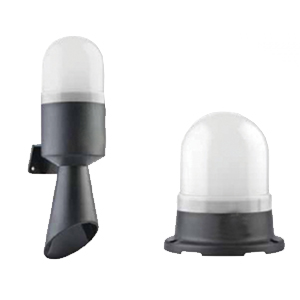
TER Multi-colour RGB Warning Lights – Industrial LED Visual and Audible Signalling
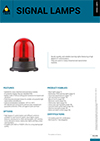
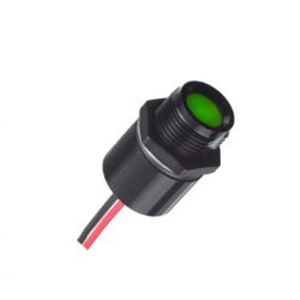
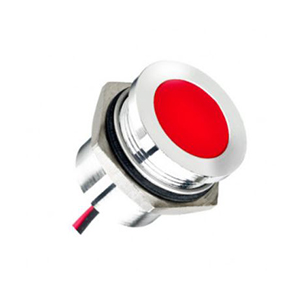
TER Multi-colour RGB Warning Lights provide a versatile industrial signalling solution for machinery, automation systems, material handling equipment and process control applications where clear visual and audible status indication is required. Using RGB LED technology, the warning lights can generate multiple signal colours from a single signalling device, allowing machine designers and system integrators to communicate different operating conditions without requiring a separate beacon for every indication.
Designed for integration with industrial control systems, TER Multi-colour RGB Warning Lights are suitable for connection to a PLC and can provide a highly flexible interface between machinery and personnel. Different visual colours and signalling modes can be used to identify machine status, process conditions, warnings or other information determined by the control-system designer.
The TER range combines SMD LED technology with a robust industrial enclosure, IP65 protection and multiple signalling options. Depending on the selected configuration, visual indication can also be combined with an audible alarm, allowing a single device to attract attention through both light and sound.
TER Multi-colour RGB Warning Lights are suitable for a wide variety of industrial applications, including overhead travelling cranes, gantry cranes, jib cranes, tower cranes, automation and assembly lines, machine tools, conveyor systems, forklifts, AGVs, aerial platforms, lifts, agricultural machinery, wind turbines, loading docks and many other industrial systems.
Multi-colour RGB LED Technology
The key feature of TER Multi-colour RGB Warning Lights is the use of RGB LED technology. RGB refers to the red, green and blue primary light colours that can be combined electronically to produce additional colours within a single signalling unit.
TER specifies red, green, yellow and blue among the available signalling colours, with RGB LED technology capable of producing up to seven different colours depending on the selected product and control arrangement. This provides significantly greater signalling flexibility than a conventional single-colour beacon.
Instead of installing several independent warning lights simply to communicate different machine conditions, designers can use one RGB signalling device to display different colours according to commands received from the machine control system.
This approach can simplify the physical machine interface while allowing a larger amount of information to be communicated from a compact signalling point. The actual meaning assigned to each colour remains under the control of the machine designer and should be established according to the application, relevant standards, risk assessment and operating procedures.
Colour Priority for Clear Machine Signalling
TER identifies a colour priority sequence of red, green, blue and yellow within the RGB warning-light system. This priority arrangement provides defined behaviour when the signalling device receives different colour commands.
Defined colour priority is valuable when the warning light is controlled automatically by a PLC or other industrial controller because multiple control conditions may exist at the same time. Establishing how the device responds when several signals are present helps create predictable signalling behaviour.
For the machine designer, the RGB functionality provides an opportunity to develop a structured visual communication system. Different colours may be assigned to different machine conditions, with the control program determining which signal is displayed according to the equipment’s current operating state.
The meaning assigned to each colour should be documented and applied consistently. In facilities containing multiple machines, consistent signalling conventions can make it easier for operators to understand equipment status without having to learn a completely different visual language for every machine.
Up to Seven Colours from a Single Warning Light
TER’s RGB LED technology can provide up to seven different colours from a single signalling device. This capability makes the product particularly attractive for machinery with several operating states or applications where installation space is limited.
A conventional signalling arrangement may require several individual lights to display multiple machine states. An RGB warning light can consolidate these visual indications into one device, helping reduce the number of separate signalling components installed around the machine.
The ability to change colour electronically also makes the signalling system adaptable. The PLC or control system can determine the displayed colour according to process conditions rather than the colour being permanently fixed by the physical lens of the beacon.
This flexibility is particularly useful for OEM machinery and automated systems where one basic machine platform may be configured for different customers or processes. Signalling behaviour can be incorporated into the control strategy while maintaining a consistent physical warning-light arrangement.
Steady, Flashing and Strobing Light Modes
Colour is not the only method available for distinguishing machine conditions. TER Multi-colour RGB Warning Lights support steady, flashing and strobing light modes, providing additional ways to communicate information and attract attention.
A steady indication may be suitable for a continuous machine-status condition, while a flashing or strobing signal can provide a more attention-grabbing visual indication when the application requires it. The exact use of each mode should be determined as part of the machine’s signalling philosophy.
Combining different colours with different operating modes significantly increases the range of information that can potentially be communicated from a single device. For example, the same colour may potentially be used differently depending on whether it is illuminated continuously or presented as a flashing signal, provided that the meaning remains clear and appropriate for the application.
Machine designers should avoid creating an unnecessarily complicated signalling scheme. The objective should always be rapid recognition by personnel rather than maximising the number of possible colour and flash combinations.
Designed for PLC Integration
TER specifically identifies its Multi-colour RGB Warning Lights as suitable for connection to a PLC. This makes the range particularly useful for modern automated machinery and process-control systems where machine conditions are already monitored and managed by programmable controllers.
A PLC can use information from sensors, switches, machine controls and process equipment to determine the current operating state. The appropriate output can then be used to control the RGB warning light, providing personnel with immediate visual feedback.
For example, the control program can change the displayed indication as machinery progresses through different operating states. The warning light therefore becomes part of the overall human-machine interface rather than operating as an isolated accessory.
PLC integration also allows signalling logic to be changed through the machine control program when operating requirements evolve, subject to appropriate engineering review. This can provide greater flexibility than a system where each operating condition depends on a completely separate fixed-colour signalling device.
Visual and Audible Warning in a Single System
Selected TER Multi-colour RGB Warning Light configurations combine visual signalling with audible warning capability. TER specifies models with multiple sound options, allowing the signalling device to attract attention even when personnel are not looking directly toward the light.
The general product specifications provide up to 16 melodies depending on the configuration, with adjustable sound output across a broad range. This allows the audible signal to be selected according to the application and surrounding operating environment.
Combining visual and audible signalling can be particularly useful in industrial environments where operators may be moving around machinery, working at different positions or concentrating on another task when a machine condition occurs.
The audible function should be selected carefully according to the workplace. Ambient noise, distance, surrounding machinery and the presence of other alarms can all affect how effectively an audible signal is recognised.
Adjustable Audible Output
TER Multi-colour RGB Warning Lights equipped with audible signalling incorporate a potentiometer for adjusting volume intensity. The product family covers sound levels from approximately 70 to 130 dB depending on the particular configuration.
Adjustable volume provides useful flexibility because industrial environments can vary significantly in background noise. A signal suitable for a relatively quiet control room may be inadequate beside heavy machinery, while unnecessarily high sound output may be inappropriate in a quieter installation.
TER also provides a pushbutton for selecting between available light and sound options on applicable configurations. This assists with setting up the signalling device according to the requirements of the machine or installation.
Where audible signalling is incorporated into machinery, the selected volume and sound should form part of the overall machine signalling strategy. Personnel should be able to recognise the signal and understand what response, if any, is required.
Separate Sound and Light Control
TER specifies separate sound and light control as available within the Multi-colour RGB Warning Light range. This provides additional flexibility when integrating the device with industrial control systems.
Separate control allows the machine designer to determine when visual signalling is required and when an audible alert should also be activated. Not every machine condition necessarily requires sound, even when a visual indication is appropriate.
For example, a routine operating state may be communicated visually, while the audible function can be reserved for a condition that requires greater operator attention. The exact logic should be established according to the machinery, application and applicable requirements.
This capability can help prevent excessive use of audible alarms. If sound is activated for every routine condition, personnel may become accustomed to frequent alarms and find it more difficult to distinguish genuinely important events.
Long-Life SMD LED Construction
TER Multi-colour RGB Warning Lights use SMD LED modules with a published LED life of approximately 50,000 hours. This long operating life makes LED technology particularly well suited to industrial machinery that may operate for extended periods.
Long LED service life can help reduce routine maintenance associated with replacement of traditional light sources. This is particularly beneficial when warning lights are mounted above machinery, on crane structures or in other positions where access may require additional time or equipment.
SMD LED technology also enables multiple colours to be generated within a compact signalling assembly, supporting the RGB functionality that differentiates these products from conventional fixed-colour warning lights.
As with any industrial signalling equipment, the complete unit should still be inspected periodically. Lens condition, mounting, electrical connections and correct signalling operation should be included in suitable preventative-maintenance procedures.
IP65 Protection for Industrial Environments
TER Multi-colour RGB Warning Lights have an IP65 protection rating. TER also identifies the product as resistant to water, dust, heat and UV exposure, providing characteristics suited to many demanding industrial environments.
IP65 protection is particularly useful where signalling equipment is installed outside a sealed electrical cabinet and may be exposed to contamination associated with industrial operation. Applications can include production machinery, material handling systems, loading areas, cranes and outdoor equipment.
The lens is manufactured from polycarbonate, while the housing is manufactured from ABS. These materials form a durable enclosure around the LED and electronic signalling components.
Correct installation remains important for maintaining the intended environmental performance. Mounting, cable entry and electrical connections should follow the technical instructions for the selected TER model.
Operating Temperature for Industrial Applications
TER specifies an operational ambient temperature range of -20°C to +50°C for the Multi-colour RGB Warning Light family. This provides a broad working range suitable for many industrial, infrastructure and material handling applications.
Temperature capability should always be considered when selecting signalling equipment, particularly when machinery is installed outdoors, in unconditioned warehouses or close to processes that can influence surrounding temperature.
Where the expected environment may fall outside the published operating range, the suitability of the selected product should be reviewed before installation. Other environmental factors such as direct sunlight, moisture, vibration and contamination should also be considered as part of the complete product-selection process.
Flexible Voltage Options
TER provides multiple electrical supply options within the Multi-colour RGB Warning Light family. General specifications include 12–24 V DC and 40–250 V AC/DC configurations, depending on the selected model.
This flexibility makes the warning lights easier to integrate into different industrial electrical systems. Low-voltage versions can suit PLC-controlled machinery and control systems, while wide-range AC/DC configurations provide additional options for installations using other supply architectures.
The exact voltage, current requirements, wiring arrangement and available signalling functions vary across the product family and should therefore be confirmed against the technical information for the specific TER part number being installed.
Matching the warning light correctly to the control-system supply is particularly important when direct PLC integration is required. Designers should verify output compatibility and electrical characteristics before finalising the system.
Surface and Wall Mounting Options
TER Multi-colour RGB Warning Lights support surface and wall mounting, allowing the signalling device to be positioned according to the machinery and viewing requirements.
Correct mounting position is important because a warning light must be readily visible to the personnel who rely on it. The machine structure, surrounding equipment, normal operator position and expected viewing direction should all be considered when determining the installation point.
TER’s broader RGB family includes several physical formats and mounting accessories, providing designers with options for control panels, machinery structures and specialised industrial installations.
Where a warning light is installed in a location exposed to potential impact, appropriate positioning or mechanical protection should also be considered to reduce the likelihood of accidental damage.
Industrial Signalling Across a Wide Range of Applications
The versatility of RGB signalling allows TER Multi-colour Warning Lights to be used across an exceptionally broad range of machinery and industrial applications. TER identifies applications spanning cranes and lifting equipment, industrial automation, machine tools, conveyor belts, forklifts and AGVs, aerial platforms, agricultural machinery, earthmoving equipment, wind turbines, railway signalling, loading docks, parking systems and many other installations.
This broad application range reflects one of the key advantages of programmable multi-colour signalling: the physical warning light is not restricted to communicating one fixed machine state. Instead, its behaviour can be integrated into the control philosophy of the equipment.
For machine builders and system integrators, this creates a flexible signalling platform that can be adapted to different machine functions while maintaining a consistent TER product family across multiple projects.
TER Multi-colour RGB Warning Lights therefore provide a practical combination of flexible colour indication, multiple light modes, PLC compatibility, optional audible signalling and industrial environmental protection for modern machinery and automation systems.
Advanced Machine Status Indication with RGB Technology
TER Multi-colour RGB Warning Lights provide machine designers with greater signalling flexibility than conventional fixed-colour warning lights. Because several colours can be produced from the same signalling device, the machine control system can change the visual indication dynamically as operating conditions change.
This makes RGB warning lights particularly useful on equipment with multiple operating modes. A machine may move between standby, automatic operation, manual operation, process complete, operator intervention and abnormal conditions during a normal production cycle. The PLC can evaluate the current machine state and command the appropriate visual indication.
Using one multi-colour device for several conditions can also simplify the appearance of the machine. Rather than installing numerous individual beacons, designers can create a compact signalling point that communicates different information according to the control logic.
The signalling philosophy should remain straightforward and documented. Although RGB technology provides many possible combinations, the objective is not to use every available colour and mode. The objective is to communicate important machine information quickly and consistently to personnel.
PLC-Controlled Industrial Signalling
TER identifies the Multi-colour RGB Warning Light range as suitable for PLC connection, making it particularly relevant to industrial automation. Programmable logic controllers can continuously monitor machinery and use the warning light as a visible output of the control program.
Inputs to the PLC may originate from limit switches, proximity sensors, encoders, operator controls, safety-system interfaces, process sensors and other devices. The controller evaluates these inputs according to its programmed logic and can then command the TER warning light to display the appropriate indication.
This creates a direct relationship between machine condition and visual signalling. When equipment changes state, the displayed colour or operating mode can change automatically without requiring manual intervention.
PLC integration can also make the signalling system easier to adapt during machine development. Subject to appropriate engineering review, changes to the machine sequence or operating philosophy can be reflected in the control logic without necessarily requiring major physical changes to the warning-light arrangement.
Creating a Logical Colour Signalling Strategy
A well-designed RGB signalling system should use colours consistently. Each indication should have a defined meaning that personnel can understand without unnecessary interpretation.
TER’s multi-colour technology gives designers substantial flexibility, but this flexibility needs to be managed carefully. Using different colours for similar conditions or assigning too many meanings to one signal can make the system confusing rather than informative.
Before programming the warning light, designers should establish a machine-signalling philosophy that identifies the conditions that need to be communicated, the visual indication associated with each condition and whether an audible signal is also required.
The selected conventions should take into account applicable standards, machinery risk assessment, workplace procedures and any existing signalling conventions already used at the facility. Where multiple machines operate in the same workplace, consistency between machines can significantly improve operator understanding.
Using Steady Signals for Machine Status
A steady light provides a continuous visual indication and can be useful for communicating an ongoing machine state. Because the light remains continuously illuminated, operators can identify the condition without the additional visual urgency associated with a flashing or strobing signal.
The control-system designer determines which conditions should use a steady indication. Depending on the machine and applicable signalling philosophy, these may include routine operating states or other information that personnel need to recognise without an immediate attention-grabbing effect.
Steady illumination can be especially useful when a warning light functions primarily as a machine-status indicator rather than an alarm. Operators supervising several machines can look across a production area and identify the current state of equipment according to the displayed colour.
When used together with TER’s RGB capability, steady illumination allows several different machine states to be represented through one physical signalling device.
Flashing and Strobing Visual Signals
TER Multi-colour RGB Warning Lights also provide flashing and strobing modes. These operating modes can create a more noticeable visual indication when the machine designer needs to draw greater attention to a particular condition.
A changing visual signal naturally attracts attention more readily than a continuously illuminated light, particularly in a busy industrial environment containing numerous static indicators. Flashing or strobing operation can therefore provide an additional level of differentiation within the machine-signalling strategy.
However, attention-grabbing signals should be used thoughtfully. If every routine machine condition is represented by flashing or strobing illumination, the effect can become visually distracting and operators may find it more difficult to recognise which conditions genuinely require attention.
The best approach is generally to develop a signalling hierarchy in which colour, operating mode and audible output work together logically rather than independently.
Combining Light and Sound for Greater Awareness
Selected TER RGB Warning Light configurations combine multi-colour visual indication with an audible signal. This can be especially useful when personnel may not have a direct line of sight to the warning light at the moment a machine condition occurs.
In a production environment, operators may be working at another station, looking toward a control panel or carrying out a task that temporarily directs their attention away from the signalling device. An audible signal provides an additional method of attracting attention.
The visual indication can then communicate further information when the operator looks toward the machine. This combination allows sound to attract attention while colour and light mode help identify the nature of the machine condition according to the established signalling strategy.
TER’s availability of separate sound and light control provides additional flexibility because audible signalling does not need to accompany every visual condition.
Selecting the Appropriate Audible Signal
Applicable TER Multi-colour RGB Warning Light configurations provide multiple melodies, with up to 16 sound options depending on the selected product. This allows the audible characteristic to be chosen according to the application.
Sound selection should consider the surrounding industrial environment. A warning signal needs to be distinguishable from background machinery noise and other alarms without creating unnecessary confusion.
The available volume adjustment can assist with commissioning the device for the installation. TER’s RGB warning-light family covers sound-output levels of approximately 70 to 130 dB depending on the specific configuration.
The highest available sound level should not automatically be selected. Appropriate sound output depends on ambient noise, distance, installation location and the function of the alarm. Workplace noise exposure and applicable requirements should also be considered when establishing the final setting.
Separate Control of Audible and Visual Signals
Separate sound and light control is an important feature for sophisticated machine-signalling systems. It allows the PLC or controller to determine independently whether the application requires visual indication, audible indication or both.
For example, a normal machine-status change may only require a visual indication. Another condition requiring operator intervention may use a flashing light, while a more significant condition may combine visual signalling with an audible alert.
This layered approach helps designers create a hierarchy of machine information without making every condition equally intrusive. Operators can learn that certain combinations require a different response from routine visual indications.
Independent control also provides flexibility during machine programming because the audible output can be incorporated into the control logic according to specific operating conditions.
TER RGB Warning Lights for Overhead Cranes
TER identifies overhead travelling cranes among the applications for its Multi-colour RGB Warning Lights. Cranes can benefit from highly visible signalling because operators and surrounding personnel may be positioned at different locations throughout the working area.
An RGB warning light can be incorporated into the crane control architecture to communicate selected operating states or conditions determined by the system designer. Depending on the application, the signal may be mounted where it remains visible from appropriate locations around the crane operating area.
The multi-colour capability can be especially useful where more than one condition needs to be communicated without installing several independent warning beacons on the crane structure.
TER’s broader expertise in crane controls also allows RGB signalling products to be considered alongside pendant stations, joysticks, rotary limit switches and other equipment used within crane and hoist control systems.
Gantry, Jib and Tower Crane Applications
The TER application range also includes gantry cranes, jib cranes and tower cranes. Each crane type presents different control and signalling requirements, but highly visible status indication can provide useful information to operators and personnel working around the equipment.
On a gantry crane, the warning light may form part of a wider travelling-equipment signalling strategy. On a jib crane, the compact RGB format can provide multiple indications from a single mounting point. Tower cranes may use industrial signalling equipment for machinery-related functions separate from any dedicated aviation obstruction-lighting requirements.
This distinction is important. TER Multi-colour RGB Warning Lights are industrial signalling devices and should not automatically be substituted for purpose-designed TER aviation obstruction lights where aviation obstacle marking is required.
Correct product selection therefore depends on the function being performed. Industrial machine-status signalling and aviation obstruction marking are related to visibility but serve fundamentally different purposes.
Automation and Assembly Line Applications
Automated production lines are particularly well suited to RGB warning-light technology because machines can move through numerous states during normal operation. A PLC already responsible for controlling the production sequence can also manage the visual signalling.
Operators supervising several workstations can use the warning lights to gain an immediate overview of equipment conditions across the production area. Different colours can identify different machine states while flashing or audible modes can draw attention to equipment requiring intervention.
Assembly lines can also use consistent RGB signalling across multiple stations. Standardising the meaning of colours and operating modes can help personnel move between stations while retaining a familiar method of interpreting machine status.
For OEMs building modular production equipment, the same TER warning-light platform can potentially be used across several machine variants, with signalling behaviour adapted through the control program.
Machine Tool Status Indication
TER lists machine tools among the applications for its Multi-colour RGB Warning Lights. CNC machinery and other automated machine tools often operate for extended periods without requiring constant operator interaction, making visible status indication useful for production personnel.
An RGB warning light positioned above the machine enclosure can allow personnel to identify equipment status from across the workshop. The PLC or CNC control interface can provide the required signal according to the machine architecture.
Visual indication can help identify equipment that has completed a cycle, is awaiting operator attention or has entered another defined machine state. Detailed diagnostic information remains available through the machine’s control interface, while the RGB warning light provides immediate local awareness.
This layered approach combines the speed of visual signalling with the detailed information available through the machine’s HMI or CNC display.
Conveyor and Material Handling Systems
Conveyor systems can extend across substantial production or warehouse areas, making it difficult for operators to identify the status of individual sections from a central location. TER Multi-colour RGB Warning Lights can provide local visual indication at selected conveyor zones, transfer points or loading areas.
The control system can change the displayed signal according to the condition of the relevant section. This can help personnel determine where attention is required without inspecting the entire conveyor installation.
Where several warning lights are installed throughout a large system, consistent signalling logic becomes particularly important. The same colour and operating mode should ideally represent the same type of condition across the installation where appropriate.
Audible signalling may also be incorporated at selected locations where additional attention is required, subject to the operating environment and overall alarm strategy.
Forklift and AGV Signalling Applications
TER specifically identifies forklifts and automated guided vehicles as potential applications for its RGB warning-light technology. Mobile industrial equipment can benefit from compact multi-colour signalling because the equipment may move between different operating areas and modes.
For automated guided vehicles, the machine controller can use the RGB warning light to communicate selected operating states to personnel nearby. Because the indication can change electronically, one signalling device can represent several conditions during the vehicle’s operating cycle.
Material handling environments often contain multiple moving vehicles, machinery and personnel. Visual signalling should therefore form part of a coordinated equipment design that considers visibility, workplace procedures and the wider risk-control strategy.
The IP65 enclosure and industrial construction of the TER range provide characteristics suited to many material handling environments, while the exact configuration should be selected according to the equipment and installation conditions.
Aerial Platforms and Lift Applications
Aerial platforms and lifts are also included within TER’s application range. These systems can use visual and audible signalling to communicate selected operating conditions to users or surrounding personnel.
Compact RGB signalling can be beneficial where installation space is limited. Instead of several separate coloured indicators, one multi-colour device can provide multiple visual states according to commands from the machine controller.
Where an audible function is incorporated, separate sound and light control allows the equipment designer to determine which conditions require an additional audible alert.
As with other machinery applications, warning lights should complement rather than replace the engineered safety systems required for the equipment.
Agricultural and Earthmoving Machinery
TER also identifies agricultural machinery and earthmoving equipment among the applications for its Multi-colour RGB Warning Lights. These machines often operate in environments involving dust, changing weather conditions, vibration and outdoor exposure.
The IP65 protection, polycarbonate lens, ABS housing and resistance characteristics of the TER warning-light range provide useful features for equipment operating outside conventional factory environments.
Multi-colour signalling can communicate machine or process information to operators and personnel around the equipment, while optional audible signalling can provide an additional attention mechanism where appropriate.
The installation should nevertheless consider the specific environmental and mechanical conditions of the vehicle or machine, including vibration, mounting security, electrical supply and protection from physical impact.
Wind Turbine and Infrastructure Applications
TER lists wind turbines among the applications for its RGB industrial warning lights. Within wind-energy installations, industrial signalling may be used around machinery, access areas, control equipment or other parts of the system where local machine-status information is required.
As with tower cranes, RGB warning lights should be distinguished from dedicated aviation obstruction lighting. Where the turbine itself requires aviation obstacle marking, a purpose-designed obstruction-lighting system should be selected according to the applicable requirements.
The RGB product instead provides flexible industrial signalling for machinery and control functions. Its multi-colour capability, optional audible output and environmental protection make it suitable for consideration in a variety of infrastructure environments.
Improving Operator Awareness Without Adding Complexity
The greatest benefit of TER Multi-colour RGB Warning Lights is not simply the number of colours available. Their real value lies in the ability to communicate several machine conditions through one compact and programmable signalling device.
When combined with sensible control logic, RGB technology can reduce the number of separate warning devices while still providing operators with clear information. Steady, flashing and strobing modes add another level of differentiation, while optional audible signalling can attract attention when visual indication alone is insufficient.
The result is a flexible signalling platform suitable for cranes, automation equipment, production machinery, conveyors, material handling systems and mobile industrial equipment.
Correctly implemented, TER RGB warning lights can become an effective component of the overall human-machine interface, providing rapid visual feedback while allowing detailed machine information to remain within the PLC, HMI or other control interface.
Selecting the Correct TER Multi-colour RGB Warning Light
Selecting the correct TER Multi-colour RGB Warning Light begins with understanding the information that the machine or process needs to communicate. The number of required visual conditions, available electrical supply, PLC interface, mounting arrangement, environmental conditions and need for audible signalling should all be established before selecting the final configuration.
RGB technology provides considerable flexibility, but this does not mean that every application needs to use every available colour or operating mode. A simple machine may only require a small number of clearly defined visual states, while more sophisticated automated equipment may benefit from a broader signalling strategy.
The available TER product configurations should therefore be matched to the actual application. Designers should confirm the electrical characteristics, physical format, light and sound functions and mounting requirements against the current technical information for the specific TER model being selected.
Taking this structured approach can help prevent unnecessary complexity while ensuring that the warning light provides the visibility and functionality required by the machine.
Choosing Between Visual and Audible Configurations
One important selection decision is whether the application requires visual signalling alone or a combination of visual and audible indication. TER provides RGB warning-light configurations that allow designers to incorporate sound where additional operator awareness is required.
Visual-only signalling can be appropriate where personnel have a clear view of the equipment and the indication primarily communicates routine machine status. Adding an audible signal may be useful where a condition requires greater attention or where operators may not always be looking toward the machinery.
The ability to control sound and light separately provides additional flexibility. Rather than sounding an alarm every time the visual state changes, the machine control system can activate the audible output only for defined conditions.
This can help create a more structured alarm philosophy and reduce unnecessary noise within the workplace. Audible alarms are generally more useful when personnel understand why they have activated and what response is expected.
Matching the Warning Light to the Electrical System
Electrical compatibility is essential when integrating TER Multi-colour RGB Warning Lights into machinery. Depending on the selected model, the product family includes 12–24 V DC and 40–250 V AC/DC supply configurations.
Low-voltage DC versions can be particularly suitable for machinery using PLC-based control architectures, while wide-range AC/DC versions provide additional flexibility for other industrial installations.
The supply voltage alone should not be the only electrical consideration. Designers should also confirm current requirements, output compatibility, switching arrangement, wiring configuration and the control method required for the selected light and sound functions.
Where a PLC directly controls the signalling device, the compatibility of the PLC outputs with the selected TER configuration should be confirmed before commissioning. Where additional relays or interface devices are required, these should form part of the engineered electrical design.
Positioning the Warning Light for Maximum Visibility
The effectiveness of an industrial warning light depends heavily on where it is installed. A technically capable RGB signal provides limited benefit if machinery, guarding, structural steelwork or other equipment prevents operators from seeing it.
Mounting position should therefore be considered during the machine-design stage. The warning light should be located where the intended personnel can readily observe the visual indication from their normal working positions.
On production machinery, this may mean mounting the signal above the main machine enclosure. On conveyors, warning lights may be positioned at key zones or transfer points. On cranes and material handling equipment, the mounting location may need to account for the movement and geometry of the machine.
TER provides surface and wall mounting options within the RGB warning-light family, giving designers flexibility when incorporating the signalling equipment into different machinery and structures.
Considering Ambient Lighting Conditions
Ambient lighting can influence how easily a warning signal is recognised. A signalling device installed in a relatively dark indoor environment may appear very different from the same device operating in bright daylight or under intense factory lighting.
The mounting position should therefore take account of the surrounding visual environment. Direct sunlight, nearby lighting equipment, reflective surfaces and other warning devices can all influence the apparent visibility of the signal.
Where several warning lights are positioned close together, the installation should also minimise the possibility of personnel confusing one machine’s signal with another. Appropriate positioning and a consistent signalling philosophy can help maintain clear identification.
The objective is to ensure that the RGB warning light communicates information quickly without requiring personnel to stop and determine which machine or process generated the signal.
Planning Audible Signals Around Workplace Noise
For configurations incorporating audible signalling, ambient noise is an equally important consideration. TER’s RGB warning-light family includes configurations with adjustable sound output and multiple melodies, allowing the device to be adapted to different industrial environments.
A sound level that is appropriate in one area may be unsuitable in another. Heavy production machinery, conveyors, ventilation equipment and mobile plant can all contribute to background noise, while offices, laboratories and quieter production environments may require substantially lower alarm levels.
TER’s adjustable volume capability allows the sound output to be configured during commissioning. The aim should be to provide an audible signal that can be recognised appropriately without simply selecting the maximum available output.
Where several audible alarms operate in the same area, consideration should also be given to how personnel distinguish between them. The availability of multiple sound options can assist with creating identifiable signalling arrangements where appropriate.
OEM Machinery and Equipment Manufacturing
TER Multi-colour RGB Warning Lights are particularly well suited to original equipment manufacturer applications. Machine builders can incorporate the warning light into the original electrical and mechanical design, allowing the signalling system to be developed alongside the PLC program and human-machine interface.
Using a multi-colour device can help OEMs maintain a cleaner and more consistent machine appearance. Instead of adding separate beacons as new operating conditions are introduced, several machine states can potentially be communicated through one RGB signalling point.
The same physical warning-light platform can also be used across multiple machine variants, with the control program determining the signalling behaviour required for each model. This can help simplify component standardisation while retaining flexibility in the finished equipment.
For machinery supplied to different customers or industries, the final signalling logic can be developed according to the requirements of each project while using the TER RGB product as the common visual interface.
Retrofitting RGB Warning Lights to Existing Machinery
RGB warning lights can also be considered during machinery upgrades and control-system modernisation. Older equipment may use several individual indicator lamps or provide limited external indication of machine status.
Where the existing control system is being replaced or upgraded with a PLC, an RGB warning light can potentially be incorporated into the new signalling architecture. This can provide more flexible visual communication without requiring numerous separate signalling devices.
Retrofitting should be treated as an engineered machine modification. Electrical compatibility, mounting, wiring, control logic and the effect of the modification on existing machine functions should all be assessed by appropriately qualified personnel.
The upgrade also provides an opportunity to review the machine’s existing signalling conventions. Rather than simply reproducing an outdated arrangement, designers can establish a clearer and more consistent status-indication strategy.
Standardising Machine Signalling Across a Facility
Facilities containing multiple machines can benefit from standardising visual signalling where appropriate. If the same colours and operating modes consistently communicate similar conditions, personnel can interpret machine status more quickly when moving between different production areas.
TER Multi-colour RGB Warning Lights can support this approach because the same signalling platform can be programmed to display multiple visual conditions. A facility can establish a common signalling philosophy and apply it across compatible machinery.
Standardisation can also simplify operator training. Personnel do not need to learn an entirely different set of visual conventions for every machine if the facility has established consistent status-indication principles.
Application-specific requirements must still be considered. A site-wide convention should improve clarity without overriding relevant machinery standards, risk-assessment findings or specialised signalling requirements.
Supporting Efficient Maintenance and Troubleshooting
Clear machine-status signalling can assist maintenance personnel by directing attention toward equipment requiring investigation. An RGB warning light does not provide detailed diagnostic information, but it can immediately identify that a machine has entered a defined condition.
Once personnel approach the equipment, detailed fault information can be obtained from the HMI, controller or diagnostic system. The warning light therefore acts as the first layer of machine communication, while the control interface provides the information required for troubleshooting.
This layered approach is particularly useful in facilities containing numerous automated machines. Maintenance personnel can identify which equipment requires attention before accessing the detailed diagnostic information.
Where signalling conventions are standardised, maintenance teams can also gain an initial understanding of the condition from the displayed colour and light mode before reaching the machine.
Maintenance of TER RGB Warning Lights
TER Multi-colour RGB Warning Lights use SMD LED technology with a published LED life of approximately 50,000 hours, helping reduce routine maintenance associated with replacement of conventional light sources.
However, the complete signalling assembly should still be included within suitable preventative-maintenance procedures. Routine inspection can include checking the condition of the polycarbonate lens and ABS housing, verifying secure mounting and confirming that the required colours and operating modes function correctly.
Where audible signalling is fitted, the sound output should also be tested periodically. Personnel should confirm that the audible signal remains recognisable in the actual operating environment and that any selected volume setting remains appropriate.
Electrical connections, cable condition and mounting hardware should be inspected according to the maintenance requirements of the machinery and applicable electrical procedures.
Maintaining IP65 Environmental Protection
The IP65 rating of TER Multi-colour RGB Warning Lights provides useful environmental protection for industrial applications, but correct installation and ongoing maintenance are important to preserving the integrity of the assembly.
Cable entry points, mounting arrangements and electrical connections should be installed according to the relevant TER instructions. Incorrect cable glands or damaged enclosure components can affect the environmental performance of an otherwise appropriately rated device.
The warning light should also be inspected for physical damage, particularly when installed on mobile machinery, cranes, material handling equipment or other applications where vibration and mechanical movement occur.
If the lens or enclosure becomes significantly damaged, the condition should be investigated and the appropriate maintenance action taken rather than assuming that the original environmental protection remains unaffected.
RGB Signalling for Automated Guided Vehicles
Automated guided vehicles and other mobile automation systems provide an excellent example of the advantages of multi-colour signalling. An AGV can move between different operating modes during its normal cycle, and personnel working nearby may benefit from a visible indication of the vehicle’s current state.
The vehicle controller can change the TER RGB Warning Light indication automatically as operating conditions change. This allows one physical signalling device to communicate several defined states without requiring multiple separate lamps.
Optional audible signalling can provide an additional attention mechanism where appropriate. The exact warning strategy should be determined as part of the vehicle’s complete control and risk-management design.
Because mobile equipment may operate across different areas of a facility, the warning light should be positioned so that its visual indication remains readily identifiable from appropriate viewing directions.
Material Handling and Loading Dock Applications
TER identifies loading docks and material handling equipment among the applications for its RGB signalling range. These environments often involve interaction between fixed machinery, mobile equipment and personnel, making clear status indication particularly useful.
An RGB warning light can communicate selected equipment or process states at loading positions, transfer points or handling stations. Different colours and light modes can be controlled according to the operating logic of the installation.
Where audible indication is required, separate sound and light control enables the alarm to be activated only for conditions where additional attention is appropriate.
The IP65 protection and industrial construction of the TER range provide characteristics suitable for many warehouse and material handling environments, subject to confirmation of the specific installation conditions.
Benefits of Multi-colour Signalling Over Multiple Individual Beacons
One of the principal advantages of RGB warning-light technology is the ability to consolidate several visual indications into a single device. This can reduce the number of separate signalling products required on a machine while maintaining the ability to communicate multiple operating states.
A consolidated signalling point can simplify the physical machine interface, reduce mounting requirements and create a cleaner appearance. It can also provide greater flexibility because the displayed indication is controlled electronically rather than permanently determined by a fixed-colour lens.
For PLC-controlled machinery, this flexibility allows the warning light to respond dynamically to the operating sequence. The same physical device can display different colours as the machine progresses through its cycle.
This does not mean that an RGB light should always replace a conventional stack light or dedicated beacon. Product selection should depend on the information being communicated, visibility requirements and the overall control philosophy of the machine.
Why Choose TER Multi-colour RGB Warning Lights?
TER Multi-colour RGB Warning Lights combine flexible colour indication with industrial construction and control-system compatibility. The ability to produce up to seven colours from RGB LED technology provides designers with a versatile platform for communicating multiple machine conditions.
Steady, flashing and strobing operating modes further expand the signalling possibilities, while selected configurations provide audible indication with multiple melodies and adjustable sound output.
PLC compatibility makes the product particularly suitable for modern automation and machine-control systems. Separate sound and light control provides additional flexibility when designers need to establish different levels of operator notification.
Other important characteristics include SMD LED technology with approximately 50,000 hours of published LED life, IP65 protection, polycarbonate lens construction, ABS housing, multiple voltage configurations and surface or wall mounting options.
TER Multi-colour RGB Warning Lights from Control Devices Australia
Control Devices supplies TER industrial control and signalling equipment for Australian machinery, automation and material handling applications. Customers requiring TER Multi-colour RGB Warning Lights can work with Control Devices to identify an appropriate configuration for their equipment and control system.
When making a product selection, useful information includes the intended application, available supply voltage, required colours, preferred light modes, need for audible signalling, required mounting arrangement and environmental conditions.
Providing this information can assist with identifying a TER configuration that suits both the electrical and mechanical requirements of the installation.
Control Devices can also assist with complementary TER industrial control products, providing options for machine builders, system integrators, maintenance organisations and end users working across crane, automation, production and material handling applications.
Flexible RGB Warning Lights for Modern Industrial Control
TER Multi-colour RGB Warning Lights provide a flexible solution for industrial applications where machinery needs to communicate several operating conditions clearly and efficiently. RGB LED technology allows multiple colours to be generated from one signalling device, reducing the need for numerous independent fixed-colour indicators.
Combined with steady, flashing and strobing modes, the multi-colour system provides designers with several ways to differentiate machine states. Selected configurations can add audible signalling, with separate control of light and sound providing additional flexibility within the machine-control strategy.
PLC compatibility makes TER RGB Warning Lights particularly suitable for automated machinery, production systems and material handling equipment. The warning light can respond dynamically as the controller detects changes in machine or process conditions, providing personnel with immediate visual feedback.
With IP65 protection, long-life SMD LED technology, multiple electrical supply options and flexible mounting arrangements, the range is designed for use across demanding industrial applications including cranes, conveyors, machine tools, assembly systems, AGVs, forklifts, aerial platforms, loading docks and specialised OEM machinery.
For Australian machine builders, system integrators and industrial operators requiring flexible visual and audible machine signalling, TER Multi-colour RGB Warning Lights provide a versatile solution backed by TER’s extensive experience in industrial control and signalling products.
Contact Control Devices for assistance selecting a TER Multi-colour RGB Warning Light configuration suited to the electrical, environmental and signalling requirements of your industrial application.